

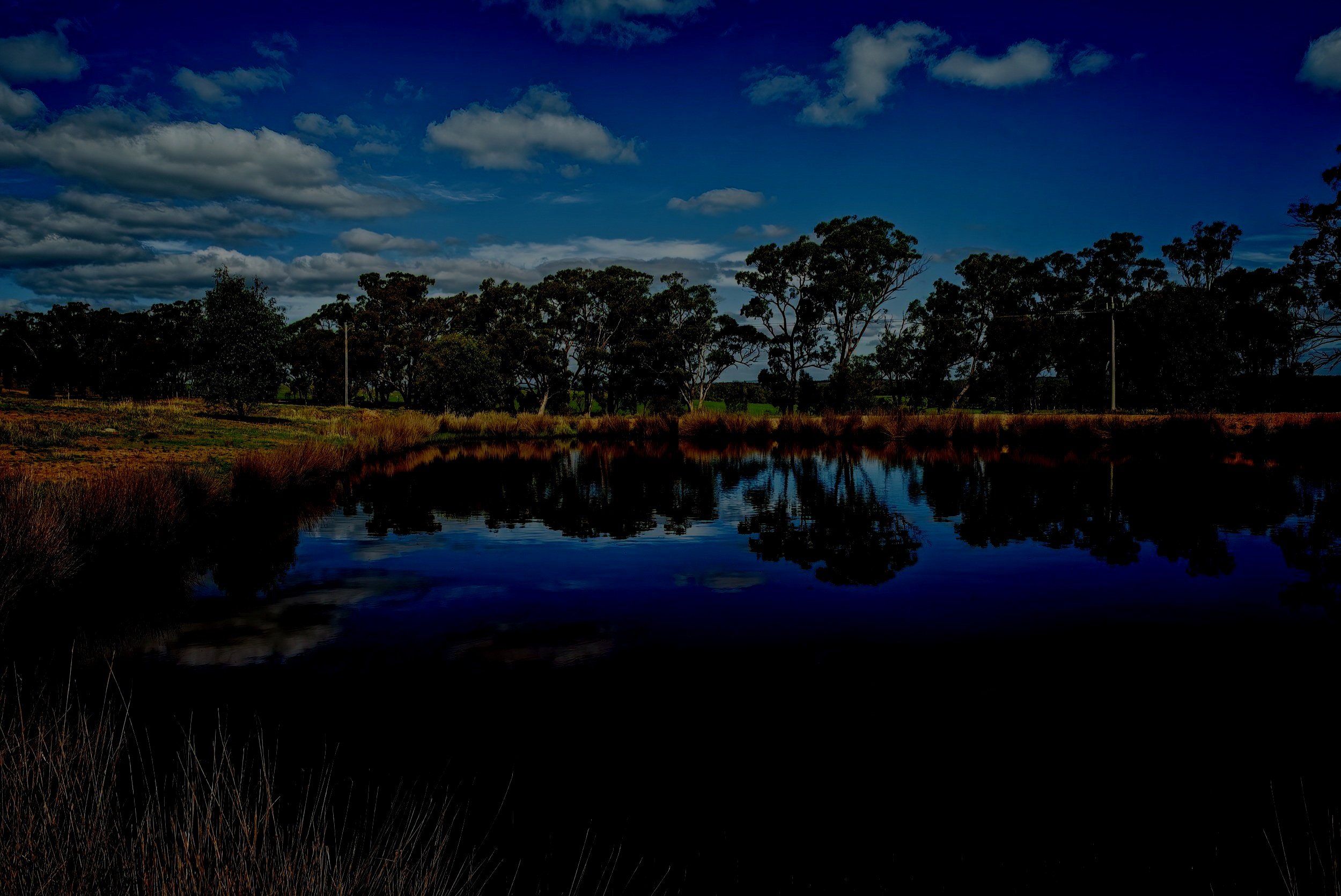
Groundwater Assessment, Monitoring and Surface Water Services
Request a Groundwater Assessment or Monitoring Proposal
Confluence Environmental provides groundwater and surface water assessment, monitoring and environmental investigation services across NSW for contaminated land, development, infrastructure and operational sites.
To request a proposal, provide the site address, project requirements and any available Council correspondence, development plans, previous environmental reports or monitoring data.
We can review the available information and develop an appropriate scope for groundwater assessment, monitoring or further environmental investigation.
Groundwater and Surface Water Assessment and Monitoring
Confluence Environmental undertakes groundwater assessment, groundwater monitoring and surface water investigations to support contaminated land assessment, development, remediation, environmental management and operational monitoring across NSW.
Groundwater or surface water investigation may be required where a potential contaminant source has been identified, where migration beyond the source area is possible, or where environmental monitoring is needed to establish baseline conditions, assess impacts or demonstrate ongoing performance.
The scope is developed from the site setting, Conceptual Site Model, investigation objectives and available environmental data, allowing monitoring effort to be directed to the pathways and receptors relevant to the project.
Where groundwater or surface water forms part of a contaminated land investigation, the assessment can be integrated with Preliminary Site Investigations, Detailed Site Investigations, remediation planning and validation.
Groundwater and Surface Water Capabilities
The environmental media and monitoring approach are selected according to the project objectives and identified environmental risks.
Depending on the project, our services can include:
groundwater monitoring well installation, development and gauging;
groundwater sampling, including low-flow sampling where appropriate;
assessment of groundwater elevations, flow direction and temporal variation;
field measurement of pH, electrical conductivity, dissolved oxygen, oxidation-reduction potential, turbidity and temperature;
laboratory analysis for hydrocarbons, metals, nutrients, PFAS and other project-specific contaminants;
groundwater contamination assessment and contaminant plume delineation;
surface water sampling from creeks, wetlands, drainage systems, stormwater networks and other receiving environments;
sediment investigation where contaminants may accumulate within receiving environments;
baseline and impact monitoring;
remediation and post-remediation monitoring; and
environmental monitoring programs associated with development, operational or regulatory requirements.
Laboratory analysis is undertaken through appropriately accredited laboratories, with analytical suites selected according to the contaminants and environmental pathways relevant to the assessment.
Investigation and Monitoring Design
Effective groundwater and surface water assessment begins with understanding the decision the investigation or monitoring program is required to support.
We review available environmental reports, previous monitoring data, site history, geology and hydrogeology, identified contamination sources, surrounding receptors and the proposed development or operational activities before developing the monitoring strategy.
The program may then define:
monitoring locations;
groundwater monitoring well depths and screened intervals;
sampling frequency;
field parameters;
analytical suites;
quality assurance and quality control requirements; and
criteria or objectives against which the results will be assessed.
Where reliable historical data are available, these are considered as part of the assessment rather than unnecessarily repeating previous monitoring.
Groundwater Investigation During Contaminated Land Assessment
Groundwater investigation is not automatically required for every contaminated land assessment.
Whether groundwater needs to be investigated should be determined from the Conceptual Site Model, including the nature of the potential contamination source, contaminant mobility, geology, groundwater depth, potential migration pathways and environmental receptors.
Where a credible groundwater pathway exists, a Detailed Site Investigation may include monitoring well installation, groundwater gauging, sampling and laboratory analysis to determine whether contamination has migrated from soil into groundwater or beyond the source area.
The resulting data are considered alongside soil, soil vapour, surface water and other relevant environmental information to refine the Conceptual Site Model and determine whether further investigation, management or remediation is required.
Groundwater Monitoring Programs
Groundwater monitoring may continue beyond the initial investigation where changes in groundwater quality, contaminant distribution or environmental conditions need to be assessed over time.
Monitoring programs may be undertaken for:
baseline environmental assessment;
contaminated land management;
landfill and leachate monitoring;
industrial and operational sites;
fuel storage and former petroleum sites;
remediation performance monitoring;
post-remediation monitoring;
construction and dewatering projects;
Environmental Management Plans; and
development consent or regulatory monitoring requirements.
Monitoring frequency and duration should reflect the purpose of the program rather than applying a standard schedule to every site.
Surface Water Assessment and Monitoring
Surface water assessment may be required where contaminants, sediment or other pollutants have the potential to migrate through runoff, drainage systems or direct discharge to a receiving environment.
Depending on the site, assessment may include:
creeks and drainage lines;
stormwater systems;
wetlands;
dams;
receiving waters;
sediment;
runoff from construction or operational areas; and
surface water associated with contaminated land or remediation projects.
Monitoring programs can include field water-quality measurements, laboratory analysis and assessment against criteria or objectives relevant to the project and receiving environment.
The purpose is to determine whether site activities or contamination are affecting surface water quality and whether further investigation, management or monitoring is required.
Groundwater Contamination and Remediation
Where groundwater contamination is identified, further investigation may be required to establish the source, extent, migration pathways and potential risks.
Depending on the site, this may involve:
additional monitoring wells;
plume delineation;
assessment of off-site migration;
contaminant fate and transport considerations;
source-area investigation;
remediation planning;
ongoing groundwater monitoring; or
verification of remediation performance.
Groundwater remediation strategies vary considerably depending on the contaminant, hydrogeological conditions and project objectives.
Confluence Environmental can support the assessment, remediation planning, environmental monitoring and verification components of groundwater remediation projects, with specialist remediation contractors engaged where physical treatment systems or other remediation works are required.
Clear, Defensible Outcomes
Groundwater and surface water monitoring should provide more than analytical results.
Our assessments interpret the data in the context of the site, Conceptual Site Model and project objectives to establish what the findings mean and what action, if any, is required.
Depending on the results, recommendations may include:
no further monitoring;
additional investigation;
refinement of the monitoring network;
assessment of potential off-site migration;
remediation planning;
ongoing environmental monitoring;
management through an Environmental Management Plan; or
post-remediation monitoring and verification.
The objective is to provide the information required to support a clear and defensible environmental or project decision.
Integrated with Planning, Development and Remediation
Groundwater and surface water investigations are undertaken with consideration of the broader project.
We consider matters such as proposed land use, excavation, dewatering, remediation, construction sequencing, environmental receptors, operational constraints and existing monitoring information when developing the assessment strategy.
This allows water-quality issues to be considered alongside soil contamination, waste management and other environmental constraints rather than as an isolated monitoring exercise.
Groundwater and surface water assessment can therefore form part of a wider:
Preliminary Site Investigation → Detailed Site Investigation → Remediation Action Plan → Remediation → Validation and Monitoring
process where contaminated land is involved.
Environmental Monitoring and Regulatory Requirements
Groundwater and surface water monitoring may also be required independently of contaminated land assessment.
Confluence Environmental can develop environmental monitoring services to support operational, development and regulatory requirements, including baseline monitoring, ongoing environmental management and monitoring undertaken in response to project-specific approval or licence conditions.
Reporting is developed around the applicable project requirements and monitoring objectives, providing a clear record of the work undertaken, environmental conditions identified and any further actions recommended.
Experience Across Groundwater and Surface Water Investigations
Confluence Environmental has experience delivering groundwater and surface water investigations as part of contaminated land, industrial, infrastructure and development projects.
Our work includes investigations involving former fuel infrastructure, historical industrial activities, wastewater systems, uncontrolled filling and other potential contamination sources, with assessment extending across soil, groundwater, surface water, sediment and soil vapour where required.
We also have experience incorporating groundwater and surface water data into broader Conceptual Site Models, Detailed Site Investigations, remediation planning and validation programs.
Groundwater and Surface Water Services Across NSW
Confluence Environmental provides groundwater assessment, groundwater monitoring and surface water services across Newcastle and the Hunter, Lake Macquarie, Maitland, the Central Coast, Sydney and Greater Sydney, the Mid Coast, Mid North Coast and regional NSW.
Frequently Asked Questions (FAQ) - Groundwater & Surface Water Monitoring
Why is groundwater and surface water monitoring important?
Monitoring helps detect and manage environmental risks early. It supports:
Early identification of groundwater or surface water contamination from industrial, urban, or agricultural sources
Protection of sensitive ecosystems, aquatic life, and drinking water supplies
Compliance with NSW environmental regulations, including EPA licence conditions, planning approvals, and the Protection of the Environment Operations Act 1997 (POEO Act)
Baseline data collection before development or remediation activities
What are the common sources of water contamination?
Typical causes of water quality impacts in NSW include:
Leaking underground petroleum storage systems (UPSS), especially at fuel stations
Chemical spills or discharges from industrial sites
Stormwater runoff carrying sediment, nutrients, pesticides, or hydrocarbons
Landfill leachate or contaminated fill material
Disturbance of acid sulfate soils, releasing sulfuric compounds into water systems
How often should water quality monitoring be conducted?
Monitoring frequency depends on your site’s regulatory requirements, contamination risk, and project phase. Common scenarios include:
Quarterly or annual sampling for routine environmental compliance or long-term site monitoring
Monthly or rainfall-triggered sampling for high-risk sites or active remediation areas
Short-term intensive programs for due diligence, development approvals, or baseline studies
We tailor every monitoring program to suit your site's conditions and obligations.
What happens if contamination is detected in groundwater or surface water?
If results show elevated levels of pollutants (e.g. heavy metals, hydrocarbons, nutrients):
A Detailed Site Investigation (DSI) may be required to define the extent and risk
A Remediation Action Plan (RAP) may be developed to address contamination
Ongoing water monitoring and reporting is usually required to track progress and ensure regulatory compliance
Confluence Environmental can guide you through each step of this process.
Can Confluence Environmental help with EPA and council compliance?
Absolutely. We offer:
Site-specific water monitoring programs
Sampling and laboratory analysis using approved methods
Regulatory reporting suitable for NSW EPA, local councils, and water authorities
Expert guidance on interpreting results and managing environmental obligations
Our team ensures you stay compliant and avoid costly delays, penalties, or remediation missteps.