

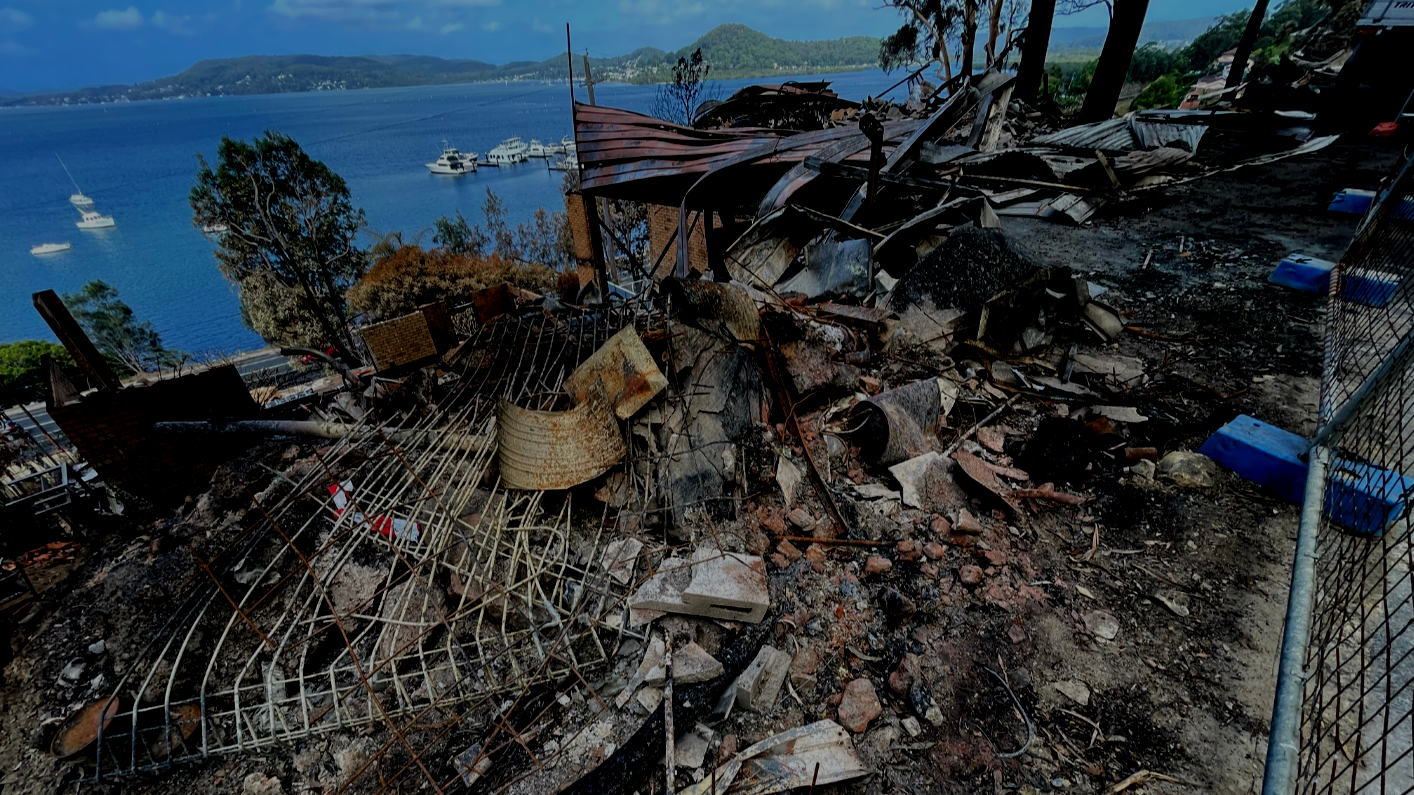
Incident Response and Disaster Recovery
Incident Response and Disaster Recovery
Environmental incidents and disasters can create immediate risks to human health, property, and the environment. Events such as unexpected asbestos finds, fires, floods, storm damage, roof failure, chemical spills, and contamination incidents can rapidly introduce hazardous materials exposure, environmental pollution, and regulatory risk. Confluence Environmental provides specialist incident response and disaster recovery consulting, supporting rapid site assessment, risk management, and compliant environmental remediation following emergency events.
Our role is to stabilise environmental risk, assess contamination and exposure pathways, and guide safe, regulator-aligned recovery — helping clients restore affected sites efficiently while protecting people, property, and the environment.
Rapid Environmental Incident Response
Environmental emergencies require fast, informed action to prevent further harm and reduce long-term liability. Confluence Environmental provides rapid response to environmental incidents including asbestos disturbance, unexpected hazardous materials discoveries, contamination events, flood-impacted buildings, fire-damaged structures, and environmental pollution incidents.
Through early environmental assessment and risk evaluation, we help clients understand the extent of contamination, identify exposure pathways, and implement immediate control measures. Our incident response integrates expertise across environmental consulting, occupational hygiene, and asbestos and hazardous materials, ensuring environmental and health risks are assessed holistically from the outset.
We regularly support:
Emergency environmental risk assessment
Unexpected contamination and hazardous material discovery
Exposure and contamination incidents
Site stabilisation and environmental risk control
Regulatory and insurer reporting support
Asbestos Emergencies, Exposure Events and Hazardous Materials
Asbestos emergencies can arise unexpectedly during fires, floods, demolition damage, excavation, or structural failure. Disturbance of asbestos-containing materials can create airborne fibres and contamination, posing immediate health risk and regulatory concern. Confluence Environmental provides rapid assessment and management of asbestos emergencies, exposure events, and accidental disturbance, helping clients control risk and comply with regulatory requirements.
Through our Asbestos and Hazardous Materials expertise, we provide:
Emergency asbestos inspections and contamination assessment
Air monitoring following disturbance or exposure events
Asbestos in soil and contamination investigations
Hazardous materials identification and risk evaluation
Remediation and clearance strategy guidance
We work with property owners, insurers, contractors, and regulators to manage asbestos risk, support safe recovery, and ensure affected areas are suitable for reoccupation or redevelopment.
Fire Recovery and Post-Fire Environmental Contamination
Fire events often result in widespread contamination from ash, soot, damaged building materials, and hazardous substances. Post-fire environments may contain asbestos debris, heavy metals, combustion residues, contaminated soil, and hazardous dust, requiring structured environmental assessment and remediation planning.
Confluence Environmental provides specialist post-fire environmental consulting, helping clients assess contamination, manage hazardous materials, and restore fire-affected properties safely. Our work integrates environmental consulting, occupational hygiene, and asbestos assessment to evaluate exposure risk, indoor air quality, and environmental impact following fire damage.
We commonly support:
Fire-damaged buildings and contamination assessment
Asbestos disturbance following fire or structural damage
Indoor environmental health and exposure risk evaluation
Post-fire remediation and environmental validation
Regulatory and insurer reporting support
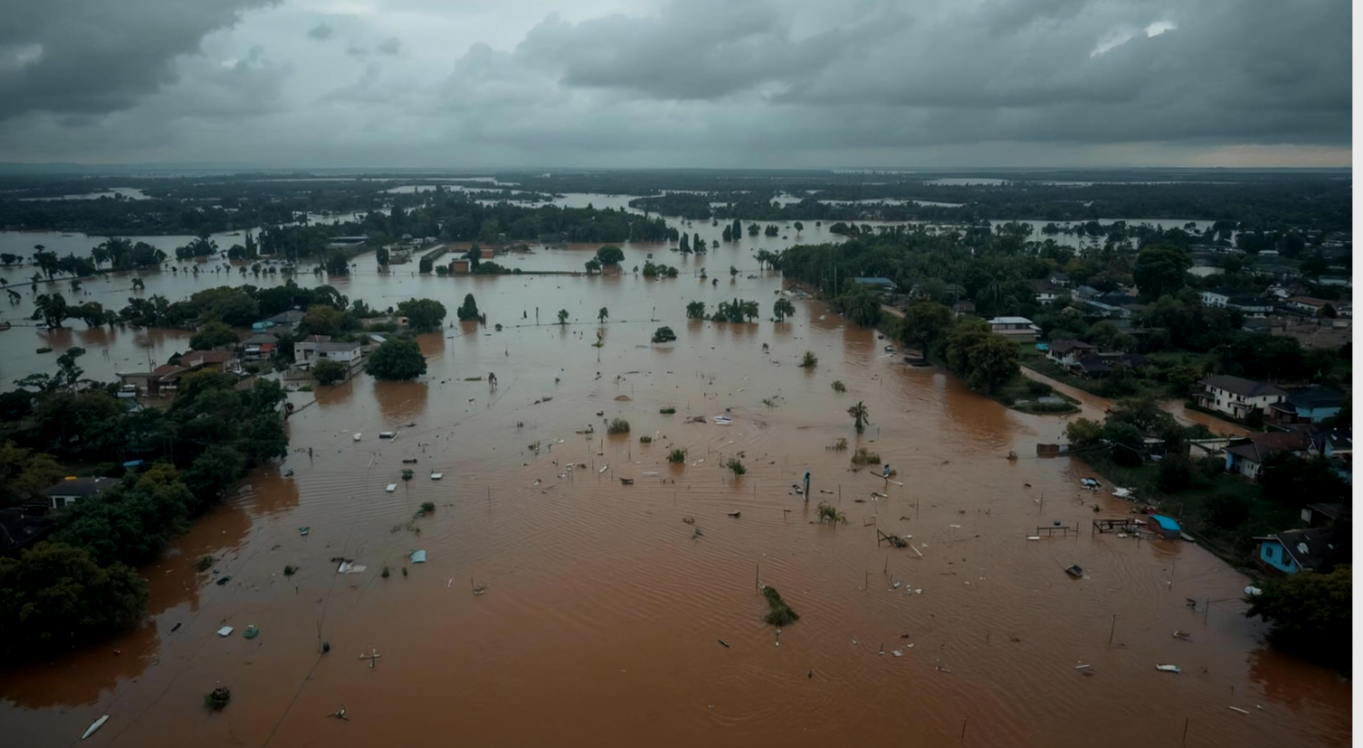
Flood Recovery, Water Damage, and Mould Investigation
Flooding and severe weather events can cause contamination, structural damage, and indoor environmental health risks. Flood-impacted sites may involve contaminated soils, affected groundwater, water-damaged materials, microbial growth and mould contamination, requiring careful environmental assessment and recovery planning.
Confluence Environmental provides specialist support for flood-affected properties, including environmental contamination assessment, water quality evaluation, and mould and moisture investigation. Through our Environmental Services and Occupational Hygiene capabilities, we identify contamination sources, evaluate exposure risk, and support remediation planning to ensure affected buildings and sites are safe for occupancy and redevelopment.
We commonly assist with:
Flood-impacted environmental contamination assessment
Mould, moisture, and indoor environmental quality investigation
Water damage and microbial risk evaluation
Environmental and health risk management following flooding
Remediation and recovery planning
Environmental Remediation and Site Recovery
Disaster-impacted sites frequently require coordinated environmental remediation to address contamination, hazardous materials, and environmental damage. Confluence Environmental supports recovery through structured environmental assessment, contamination management, and validation to confirm site safety and regulatory compliance.
Our remediation and recovery approach integrates expertise across Contaminated Land and Remediation and broader Environmental Consulting, allowing us to manage recovery from initial incident through to safe, compliant site restoration.
We support:
Environmental contamination assessment and remediation
Asbestos in soil and hazardous material remediation planning
Waste classification and contaminated material management
Environmental validation and clearance assessment
Regulatory and compliance support
Environmental Incidents We Respond To
Confluence Environmental provides support across a wide range of environmental incidents, including:
Asbestos emergencies and accidental disturbance
Unexpected hazardous material discoveries
Fire-damaged buildings and post-fire contamination
Flood-impacted sites and water damage
Mould and indoor environmental health concerns
Roof damage and weather-related contamination
Fuel, chemical, and hazardous material spills
Contaminated soil and environmental pollution incidents
Insurance, Regulatory and Compliance Support
Environmental incidents often involve regulatory reporting, compliance requirements, and insurer coordination. Confluence Environmental provides clear, defensible technical assessment and reporting to support regulatory compliance and insurance processes following environmental incidents.
We regularly assist clients, insurers, and regulators with:
Environmental and contamination assessment following incidents
Asbestos emergency and exposure reporting
Regulatory and compliance documentation
Risk assessment and remediation strategy development
Validation and site suitability assessment
Our advice is grounded in environmental science, regulatory alignment, and practical risk management ensuring recovery is safe, compliant, and defensible.
Integrated Environmental, Health and Risk Management
Environmental incidents rarely involve a single risk. Contamination, hazardous materials, and human exposure often overlap particularly following fires, floods, demolition, or contamination events. Confluence Environmental provides integrated consulting across Environmental Services, Asbestos and Hazardous Materials, and Occupational Hygiene, ensuring environmental and health risks are assessed holistically and recovery strategies are practical and effective.
Need Emergency Environmental Support?
If you are dealing with an asbestos emergency, unexpected contamination, flood or fire damage, exposure incident, or environmental pollution event, Confluence Environmental can provide rapid, expert support to help you manage risk and move forward safely.
Request Immediate Assisstance on 1300 855 447
Ready to move your project forward with confidence?
At Confluence Environmental, we provide practical, science-led solutions across contaminated land, asbestos and hazardous materials, waste classification, acid sulfate soils, and occupational hygiene.
Complete the form below to request a tailored quote, book a consultation, or ask us a question about your project. We’ll respond within 24 hours with clear advice and next steps helping you stay compliant, reduce risk, and keep your development on track.
Frequently Asked Questions
-
An environmental incident is any unexpected event that creates contamination, hazardous material exposure, or environmental risk. This can include asbestos disturbance, chemical spills, fire or flood damage, contamination events, unexpected hazardous material discoveries, and environmental pollution. Environmental incidents often require rapid assessment, risk management, and regulatory-aligned remediation to protect human health and the environment.
-
An asbestos emergency occurs when asbestos-containing materials are unexpectedly disturbed, damaged, or released, creating potential airborne fibre exposure. This may happen during demolition, fire damage, flooding, excavation, structural collapse, or accidental disturbance. In these situations, rapid assessment, air monitoring, contamination evaluation, and controlled remediation are critical to manage risk and ensure regulatory compliance.
-
If asbestos has been disturbed:
Stop work immediately and restrict access
Avoid further disturbance or cleanup
Prevent spread of dust or debris if safe to do so
Contact an environmental or asbestos specialist urgently
Professional assessment, air monitoring, and contamination evaluation may be required to determine exposure risk and safe next steps.
-
Air monitoring is often recommended following asbestos disturbance, especially where materials were friable, damaged, or dispersed. Air monitoring helps determine whether airborne fibres are present, assess exposure risk, and confirm whether areas are safe for reoccupation. In many cases, monitoring is required as part of safe recovery and regulatory compliance.
-
Fire-damaged sites may contain asbestos debris, hazardous dust, heavy metals, combustion residues, contaminated soil, and poor indoor air quality. These contaminants can create environmental and health risks if not properly assessed and managed. Environmental assessment and remediation are often required before buildings can be safely reoccupied or redeveloped.
-
Flooding can introduce contamination, damage building materials, affect soil and groundwater quality, and create mould and microbial growth. Flood-impacted sites may require contamination assessment, mould and moisture investigation, water quality evaluation, and environmental risk management to ensure buildings and land are safe for use.
-
Yes. Through structured environmental assessment, remediation, and validation, contaminated sites can often be restored to a condition suitable for their intended land use. This process involves identifying contamination, managing risk, implementing remediation, and confirming safety through environmental validation and reporting.
-
Environmental assessment is often recommended following fires, floods, asbestos disturbance, chemical spills, or contamination events. Assessment helps determine contamination extent, exposure risk, environmental impact, and whether remediation or regulatory reporting is required.
-
Yes. Environmental incidents frequently involve insurer coordination and regulatory reporting. Confluence Environmental provides clear, defensible technical assessment and reporting to support insurance claims, regulatory compliance, remediation planning, and site validation.
-
Response time depends on the nature and location of the incident, but rapid assessment is critical. Confluence Environmental provides fast, practical incident response to help stabilise environmental risk, assess contamination and exposure, and guide safe recovery.