

Hazardous Material Surveys
Request a Hazardous Materials Survey Proposal
Confluence Environmental undertakes hazardous materials surveys, HAZMAT assessments and hazardous materials reporting across NSW for demolition, refurbishment, redevelopment, property management and due diligence.
Our surveys are scoped to the building, proposed works, available information and level of access required, with a focus on identifying hazardous building materials that may affect occupation, maintenance, construction or demolition activities.
Assessments can include asbestos-containing materials together with lead-containing paint, synthetic mineral fibres, polychlorinated biphenyls, ozone-depleting substances and other hazardous materials relevant to the building or proposed works.
To request a proposal, provide the property address, proposed works and any available building plans, asbestos registers, previous hazardous materials reports or demolition documentation.
We will review the available information and develop an appropriate scope for the hazardous materials survey.
Hazardous Materials Survey and Building Assessment
Confluence Environmental undertakes Hazardous Materials Surveys, also commonly referred to as HAZMAT surveys, hazardous materials assessments or hazardous building materials surveys, to identify and document hazardous materials within buildings and structures.
The assessment establishes the location and condition of identified or suspected hazardous materials and provides the information required to support their appropriate management during occupation, maintenance, refurbishment or demolition.
Depending on the purpose of the assessment, the survey may involve visual inspection, targeted material sampling, laboratory analysis, review of existing registers and intrusive investigation of concealed building elements.
The findings are documented in a HAZMAT report and hazardous materials register, together with recommendations relevant to the proposed works and condition of the materials.
Hazardous Materials Survey Scope
The survey scope is developed from the building age, construction type, historical use, proposed works and level of access available at the time of inspection.
Depending on the project, the assessment may include consideration of:
asbestos-containing materials, including friable and non-friable asbestos;
lead-containing paint and lead dust;
synthetic mineral fibres and other insulation materials;
polychlorinated biphenyls associated with older electrical equipment;
ozone-depleting substances associated with refrigeration, air-conditioning and fire-suppression systems;
other hazardous coatings, materials or substances relevant to the building;
inaccessible or concealed building elements;
existing asbestos registers, management plans and previous survey information; and
the extent of demolition, refurbishment or maintenance proposed.
The objective is to define the hazardous materials relevant to the project without unnecessarily extending the survey into areas that will not be affected by the proposed works.
Assessment Approach
An effective hazardous materials survey begins with understanding why the assessment is being undertaken and which parts of the building may be disturbed.
For occupied buildings or asset-management purposes, the assessment may focus primarily on accessible materials requiring ongoing management.
Where refurbishment or demolition is proposed, the survey may need to extend into areas that are not normally accessible, including wall cavities, ceiling spaces, beneath floor finishes, service penetrations and other concealed building elements.
Where asbestos is suspected, laboratory analysis is undertaken by a NATA-accredited facility where confirmation is required. SafeWork NSW advises that laboratory testing is the only way to confirm whether a suspect material contains asbestos and recommends analysis by a NATA-accredited laboratory.
Existing surveys and registers are reviewed where available so that reliable information can be incorporated rather than unnecessarily repeating previous assessment work.
Management, Refurbishment and Demolition Surveys
The required level of investigation depends on the purpose of the survey.
For ongoing building management, the assessment is generally directed toward accessible hazardous materials that could reasonably be encountered during normal occupation and maintenance.
For refurbishment works, the survey is developed around the specific areas and building elements proposed to be disturbed.
For demolition, the assessment should provide sufficient information to identify hazardous materials that may be disturbed by the works and require removal or other management beforehand.
For asbestos specifically, NSW requirements include review of the asbestos register before demolition or refurbishment and identification and, so far as reasonably practicable, removal of asbestos likely to be disturbed before those works commence.
Intrusive and Destructive Hazardous Materials Surveys
Not all hazardous building materials can be identified through visual inspection alone.
Where proposed works extend into concealed building elements, intrusive or destructive HAZMAT investigation may be required to assess materials behind wall linings, within cavities, above ceilings, below floor finishes or within other inaccessible areas.
The extent of intrusive investigation is developed around the proposed works and agreed access conditions.
Where parts of a building cannot be assessed, those limitations are clearly identified in the report together with recommendations for further investigation before the affected areas are disturbed.
This provides contractors and project teams with a clear understanding of both the materials identified and the areas that remain unresolved.
HAZMAT Reports and Hazardous Materials Registers
A hazardous materials survey should provide more than a list of laboratory results.
Our HAZMAT reports document the areas inspected, materials identified or suspected, sampling undertaken, analytical results, condition of identified materials, survey limitations and recommendations arising from the assessment.
Where appropriate, a hazardous materials register is prepared to provide building managers, contractors and project teams with a practical record of identified materials and their locations.
For asbestos, workplace registers have specific requirements under NSW WHS legislation, including recording identified or assumed asbestos and its location, type and condition.
The broader HAZMAT register can incorporate this asbestos information alongside other hazardous building materials relevant to the property.
Clear, Defensible Outcomes
A hazardous materials assessment should establish what is known, what remains uncertain and what needs to occur before the proposed work proceeds.
Depending on the findings, recommendations may include ongoing management and periodic review, preparation or updating of an asbestos management plan, removal of identified materials before refurbishment or demolition, further intrusive investigation of inaccessible areas, asbestos air monitoring and clearance, targeted lead or occupational hygiene assessment, or specialist waste classification and disposal requirements.
The objective is to provide a clear technical basis for planning the next stage of the project rather than simply identifying that hazardous materials are present.
Integrated with Demolition, Refurbishment and Development
Hazardous materials assessment is undertaken with consideration of the broader project.
We consider the proposed demolition or refurbishment footprint, construction sequencing, building occupation, contractor access, waste generation and potential exposure pathways when developing the survey scope and recommendations.
This allows hazardous materials issues to be identified early enough to be incorporated into project planning, tender documentation, removal scopes and construction programs.
Where projects also involve contaminated land, asbestos in soil, occupational hygiene or waste-classification requirements, these matters can be considered through the same broader environmental project team.
Experience Across Diverse Building Settings
Confluence Environmental undertakes hazardous materials surveys across commercial, industrial, government, infrastructure, healthcare, community, residential and redevelopment settings.
Our work includes older industrial facilities containing complex legacy materials, occupied commercial buildings, multi-site property portfolios and buildings requiring intrusive assessment before demolition or refurbishment.
We also undertake projects where hazardous building materials need to be assessed alongside contaminated land, waste, occupational hygiene or environmental requirements.
Hazardous Materials Surveys Across NSW
Confluence Environmental undertakes hazardous materials surveys, HAZMAT assessments and hazardous materials reports across Newcastle and the Hunter, Lake Macquarie, Maitland, the Central Coast, Sydney and Greater Sydney, the Mid Coast, Mid North Coast and regional NSW.
Featured Projects
-
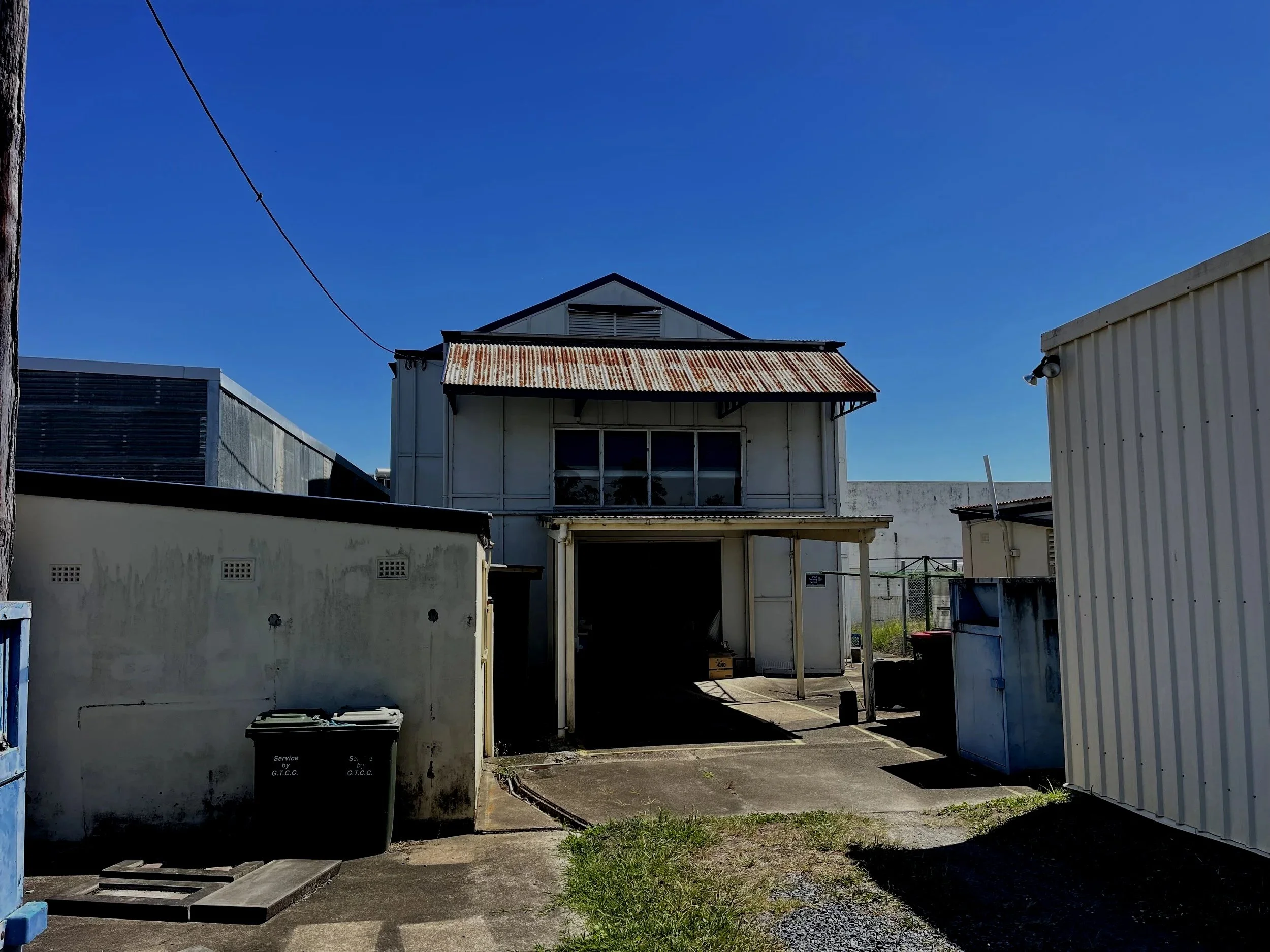
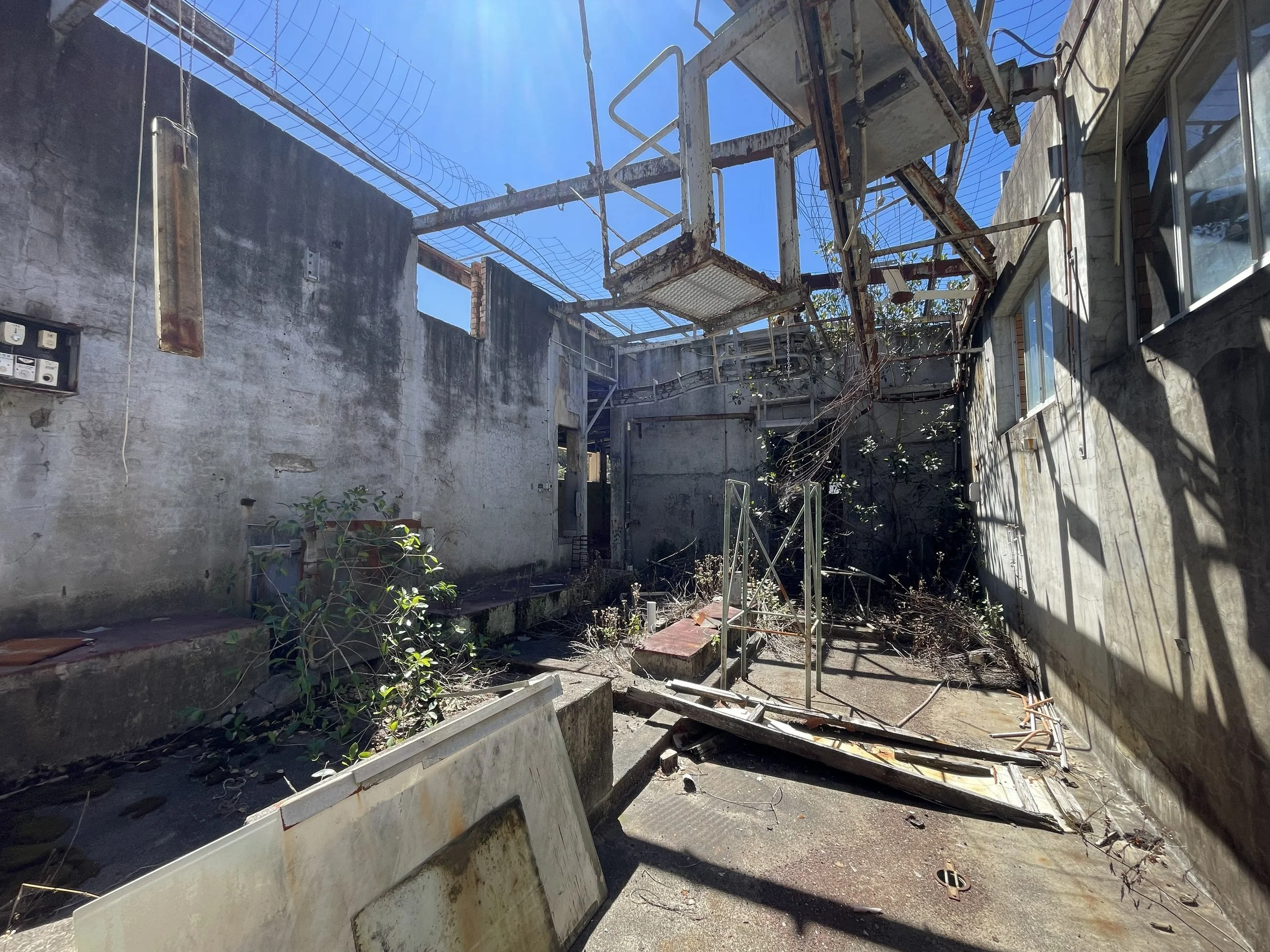
![Interior of a former abattoir building in Woy Woy assessed during a pre-demolition hazardous materials survey.]()
Former Abattoir Hazardous Material Survey
Legacy industrial facilities can contain complex hazardous materials that need to be understood before demolition or redevelopment can proceed safely. Confluence Environmental completed a pre-demolition Hazardous Materials Survey across a former abattoir factory and associated industrial structures in Woy Woy, assessing asbestos-containing materials, lead-based paint and dust, synthetic mineral fibres, metallic lead, suspected PCB-containing equipment and potential ozone-depleting substances. The assessment identified both friable and non-friable asbestos together with other hazardous building materials and established a detailed register and management recommendations to support removal planning, demolition sequencing and future redevelopment of the site.
-
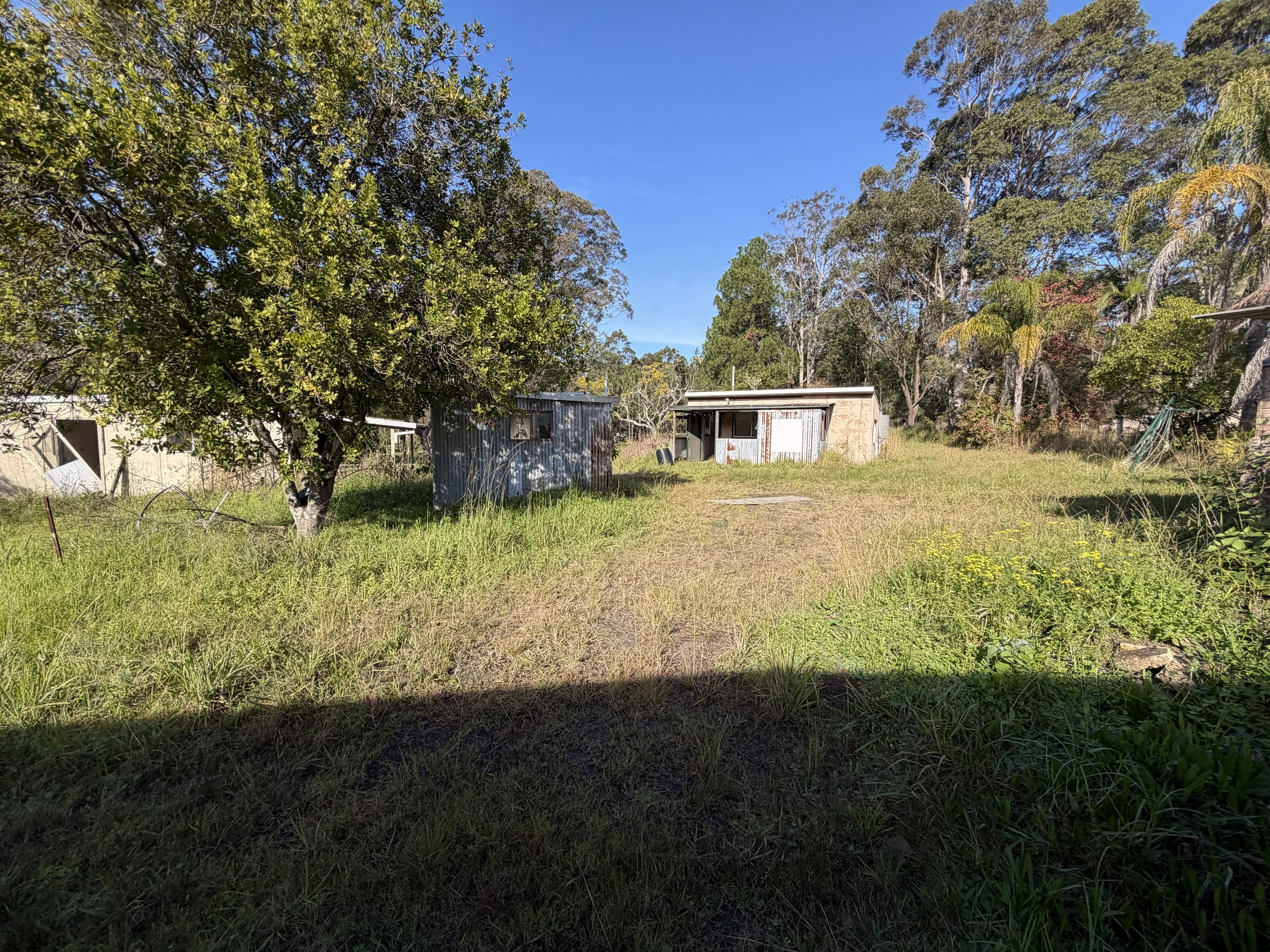
![Overgrown rural property with older buildings assessed during a hazardous materials survey in Halloran, NSW.]()
Halloran Hazardous Material Survey
Hazardous materials within older buildings can create significant constraints for demolition, refurbishment and redevelopment if they are not identified early. Confluence Environmental completed a Hazardous Materials Survey across multiple buildings at a property in Halloran, NSW, assessing asbestos-containing materials, lead-based paint, synthetic mineral fibres, PCBs and other hazardous building materials relevant to the proposed works. The assessment established the hazardous materials requiring management and provided the project team with a clear basis for removal, demolition planning and future redevelopment.
-
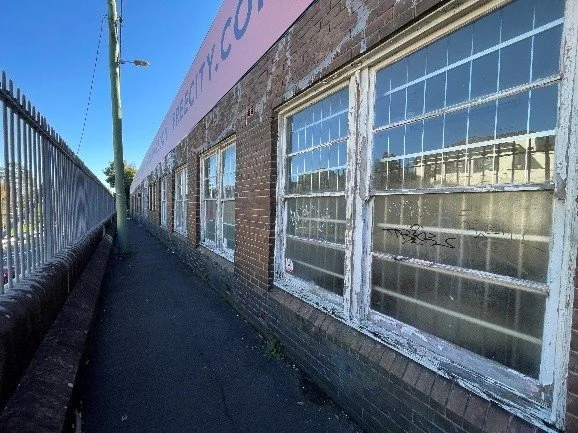
![Exterior of an older brick industrial building in Forest Lodge assessed during a pre-demolition hazardous materials survey.]()
Inner City Sydney Hazardous Material Survey
Older inner-city buildings can contain a combination of legacy hazardous materials that need to be understood before demolition or redevelopment begins. Confluence Environmental completed a pre-demolition Hazardous Materials Survey across multiple buildings in Forest Lodge, Sydney, assessing asbestos-containing materials, lead-based paint and dust, synthetic mineral fibres, PCBs and other hazardous building materials through inspection, limited intrusive access and targeted laboratory analysis. The assessment identified friable asbestos, deteriorated lead-based paint, elevated lead dust and other hazardous materials, providing the project team with the information required to plan removal, manage access constraints and progress the proposed demolition works safely.
-
![Exterior of a Vinnies retail property in NSW included in a multi-site asbestos survey and register program.]()
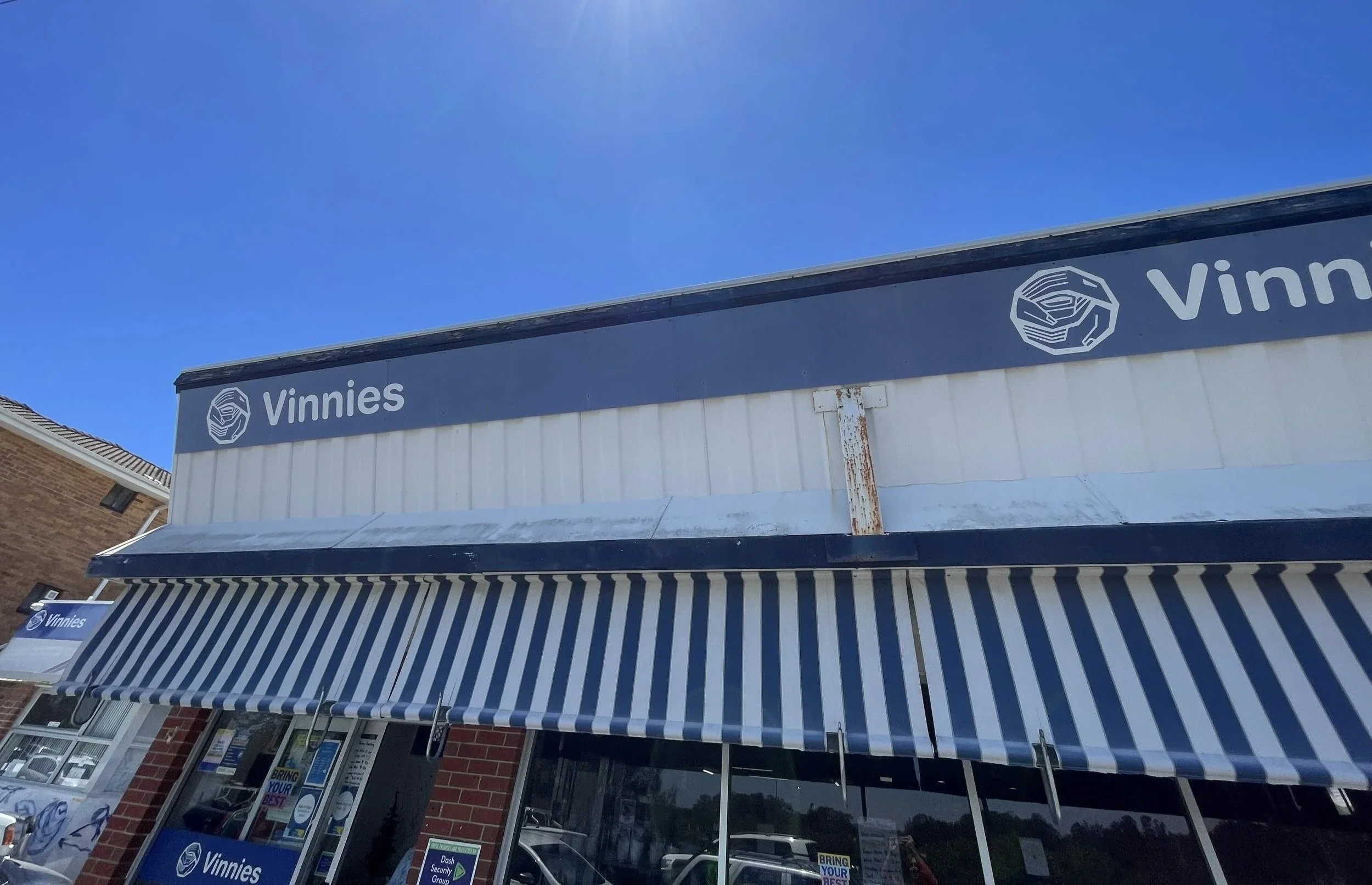
St Vincent De Paul Society Asbestos Material Surveys and Management Plans
Multi-site property portfolios require consistent and up-to-date asbestos information to support maintenance, refurbishment and ongoing asset management. Confluence Environmental completed asbestos surveys and re-inspections across approximately 40 St Vincent de Paul Society properties throughout NSW, including retail, warehouse, office, accommodation and community facilities. The program included inspection, targeted sampling where required and preparation or updating of asbestos registers, providing a consistent basis for managing asbestos risks across the broader property portfolio.
-
![A Confluence Hazardous Materials Consultant conducts a Hazardous Material Survey of a former factory building]()
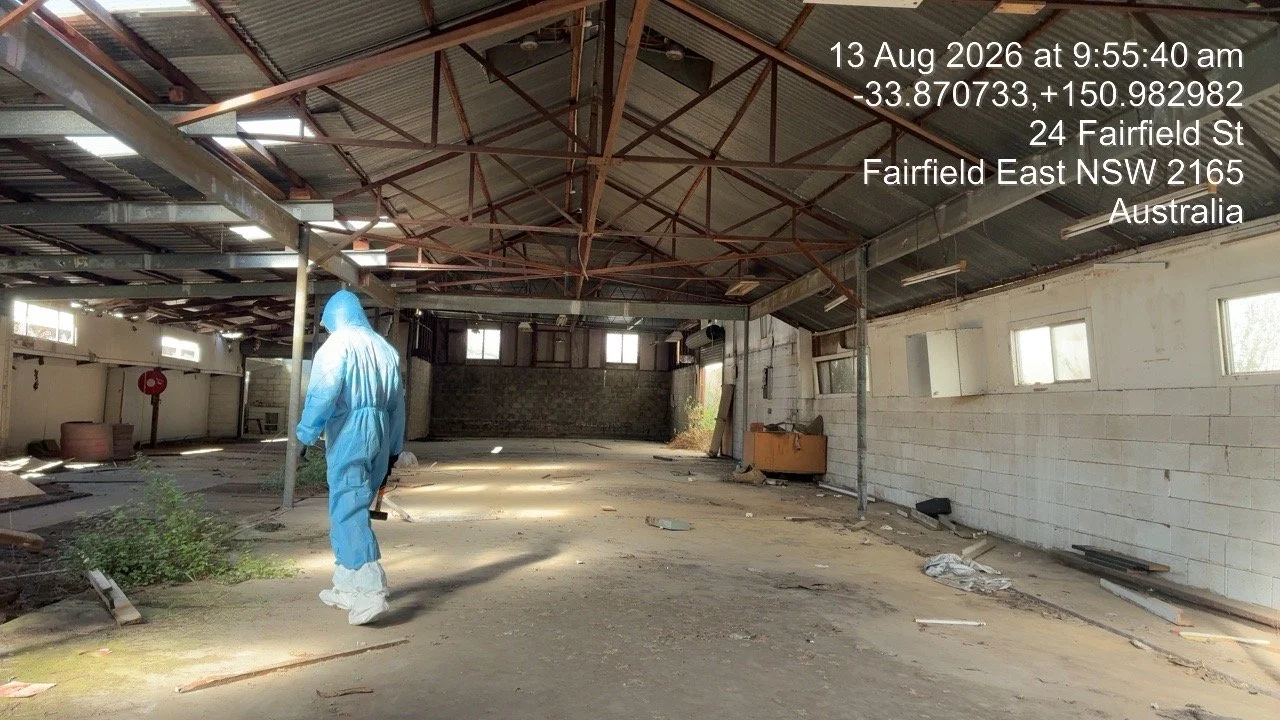
Fairfield Hazardous Material Survey
Older industrial buildings can contain legacy hazardous materials that need to be identified and managed before demolition and redevelopment can proceed. Confluence Environmental completed a Hazardous Building Material Assessment of a disused industrial warehouse in Fairfield East, Sydney, to support demolition and the proposed development of a new industrial facility, incorporating targeted intrusive inspection, material sampling and laboratory analysis for asbestos and other hazardous building materials. The assessment identified non-friable asbestos-containing materials, synthetic mineral fibre insulation and suspected PCB-containing electrical components, and established the removal, management and further pre-demolition investigation requirements needed to support safe demolition and progression of the redevelopment.
Differentiators
Licensed Asbestos Assessor Capability
Our hazardous materials team includes SafeWork NSW Licensed Asbestos Assessor capability, allowing asbestos risks identified during HAZMAT surveys to be assessed alongside broader hazardous building material requirements. This is particularly valuable on demolition, refurbishment and complex redevelopment projects where asbestos removal, air monitoring and clearance may form part of the wider project scope.
Integrated Contaminated Land and HAZMAT Capability
Many demolition and redevelopment projects involve both hazardous building materials and contaminated land risks. Confluence can undertake combined HAZMAT and contaminated land assessments through the same project team, reducing duplicated mobilisation, improving coordination between disciplines and helping clients manage time and investigation costs more efficiently.
Experience on Large and Complex Projects
Our experience includes large industrial facilities, former manufacturing sites, multi-building developments, operational workplaces and geographically dispersed property portfolios. This allows us to scope hazardous materials investigations around complex buildings, staged demolition, restricted access, multiple material types and broader redevelopment requirements.
Established Laboratory Partnerships
We work closely with leading NATA-accredited laboratories for asbestos, lead and other hazardous material analysis. Established laboratory relationships support consistent analytical quality, access to specialist testing where required and efficient turnaround for time-sensitive demolition and development projects.
Responsive and Commercially Competitive
Hazardous materials investigations often sit on the critical path for demolition, construction or property transactions. Confluence is structured to provide rapid mobilisation, practical scopes and competitive pricing, with direct access to the consultants undertaking the assessment and reporting.
Hazardous Material Survey Resources
Learn more about asbestos and hazardous material assessments in our technical guides.